Visual Proof of Technical Excellence & Leadership
Explore detailed case studies demonstrating my technical capabilities in computational fluid dynamics and my proven leadership skills in project management.
Dissertation Research Project — MEng Civil/Structural Engineering
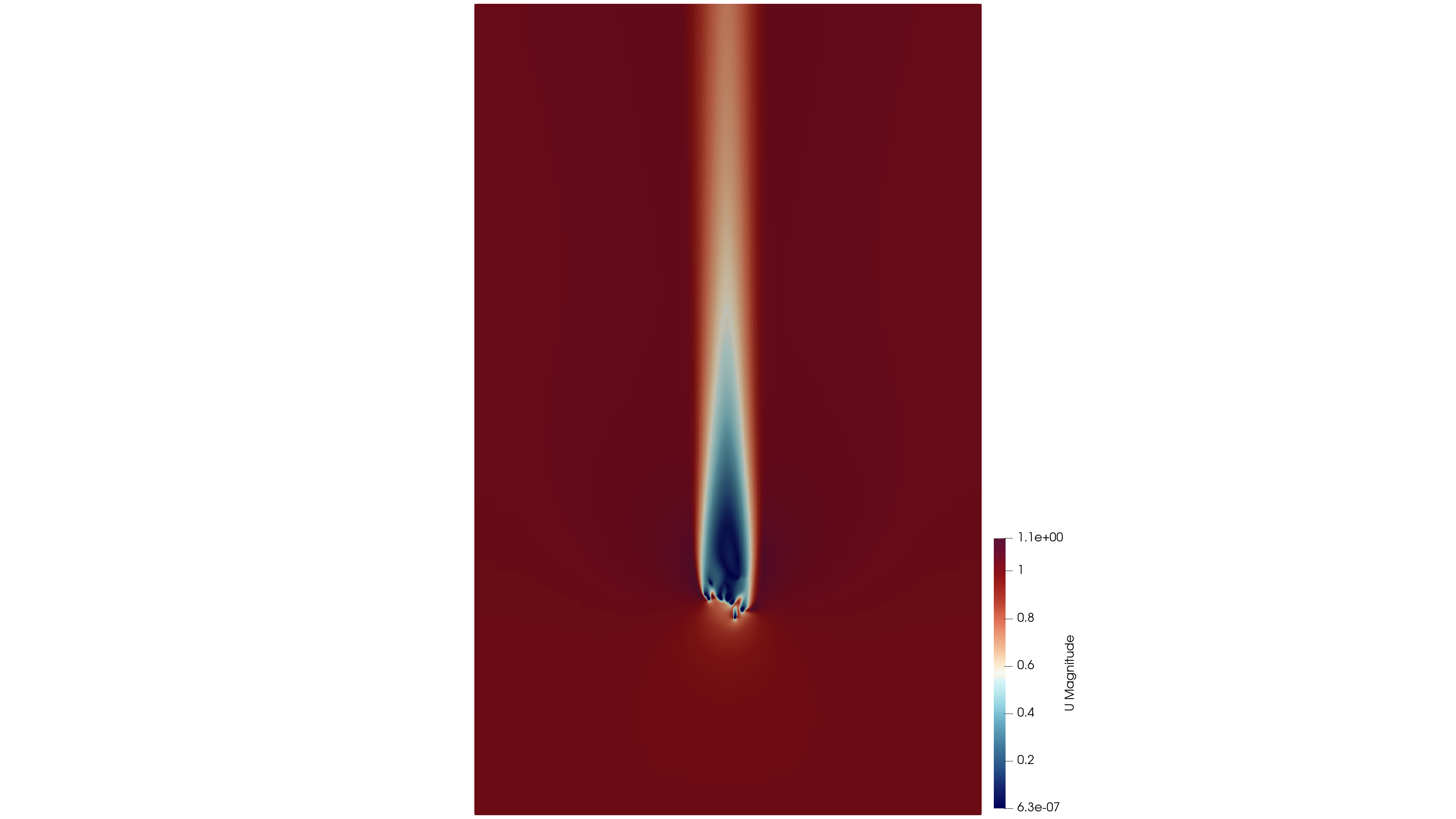
For my dissertation, I developed brinkmanPimpleFoam, a custom CFD solver written in C++ within foam-extend-4.1, to model flow-induced reconfiguration in flexible aquatic vegetation. The solver centres on a mollified Brinkman penalisation: a Continuous Forcing Immersed Boundary Method that embeds plant geometry into the fluid domain through a volumetric penalty term in the momentum equations, sidestepping body-fitted meshing entirely.
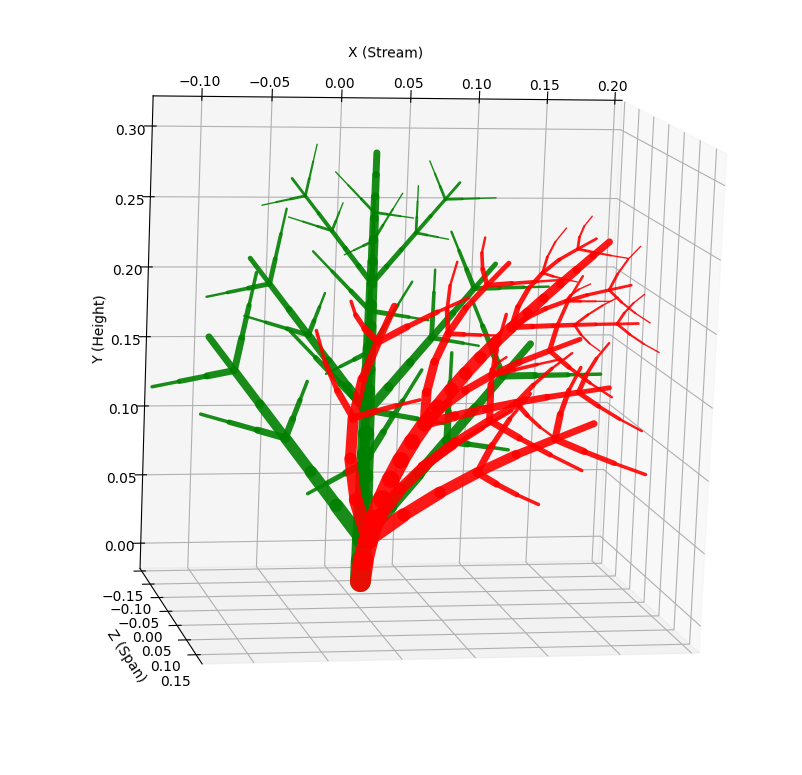
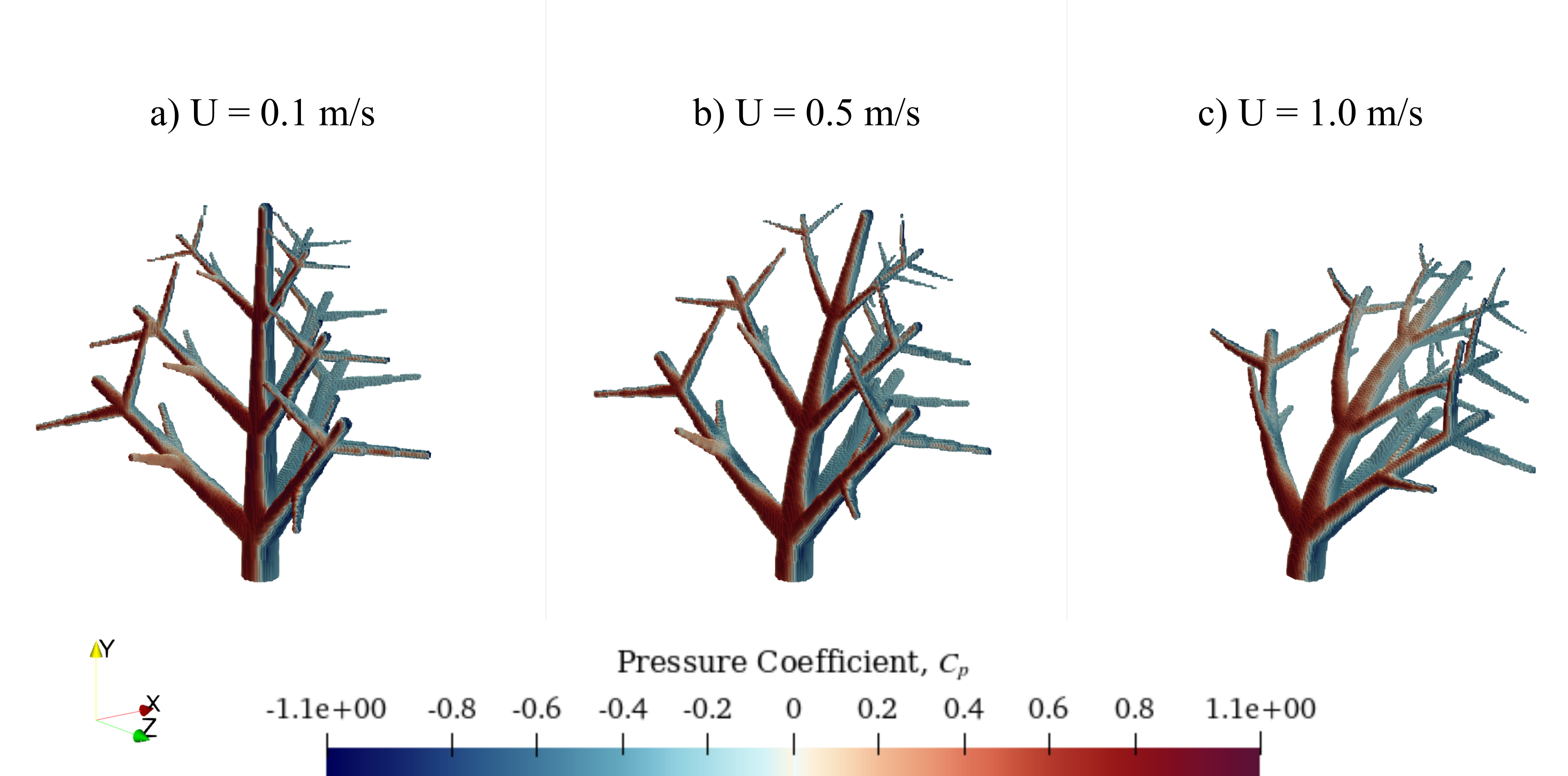
I also built the three-dimensional fractal plant geometry in Julia using the Elastically Articulated Body Model (EABM), a discrete structural solver that predicts large-deflection reconfiguration. Embedding this geometry into the fluid solver via the Brinkman penalty, rather than remeshing around it, is the central methodological contribution. The canopy shielding parameter is extracted by comparing the CFD-resolved drag distribution against the EABM's uniform segment-force assumption, which treats every element as fully unshielded.
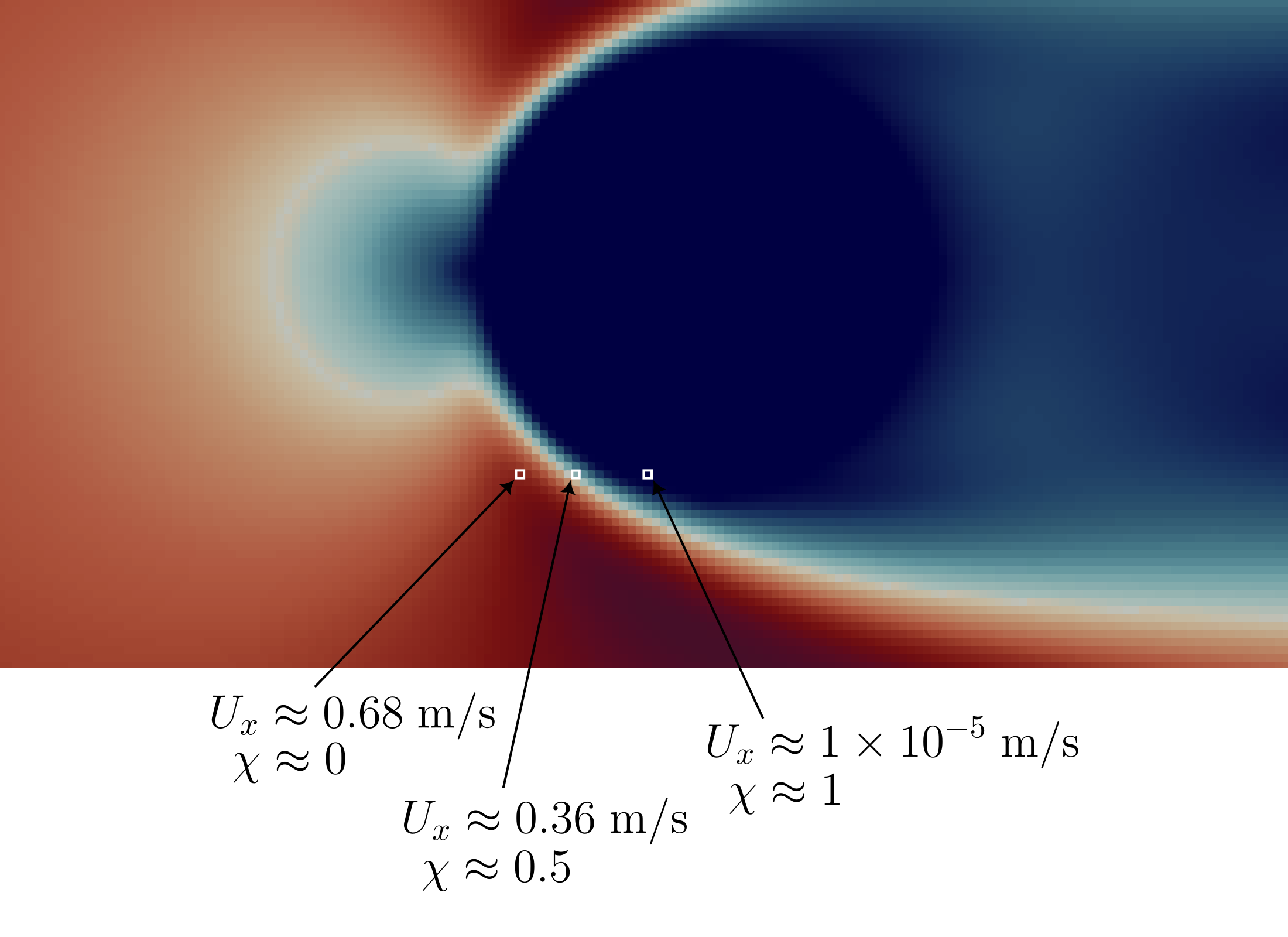
I implemented the IBM as a mollified, implicit Brinkman penalty injected into the PIMPLE momentum equation in C++. A plantMask field (1 inside the plant, 0 outside) is smoothed across neighbouring cells using fvc::average, flattening the sharp boundary to prevent pressure spikes. The smoothed coefficient enters the momentum matrix implicitly via fvm::Sp, forcing fluid velocity to zero inside the plant volume without body-fitted meshing.
I generated the reconfigured three-dimensional fractal plant geometry in Julia using the Elastically Articulated Body Model (EABM) code. I then passed the resulting geometry into the Brinkman penalty as a smoothed field mask, directly coupling structural reconfiguration into the fluid solver.
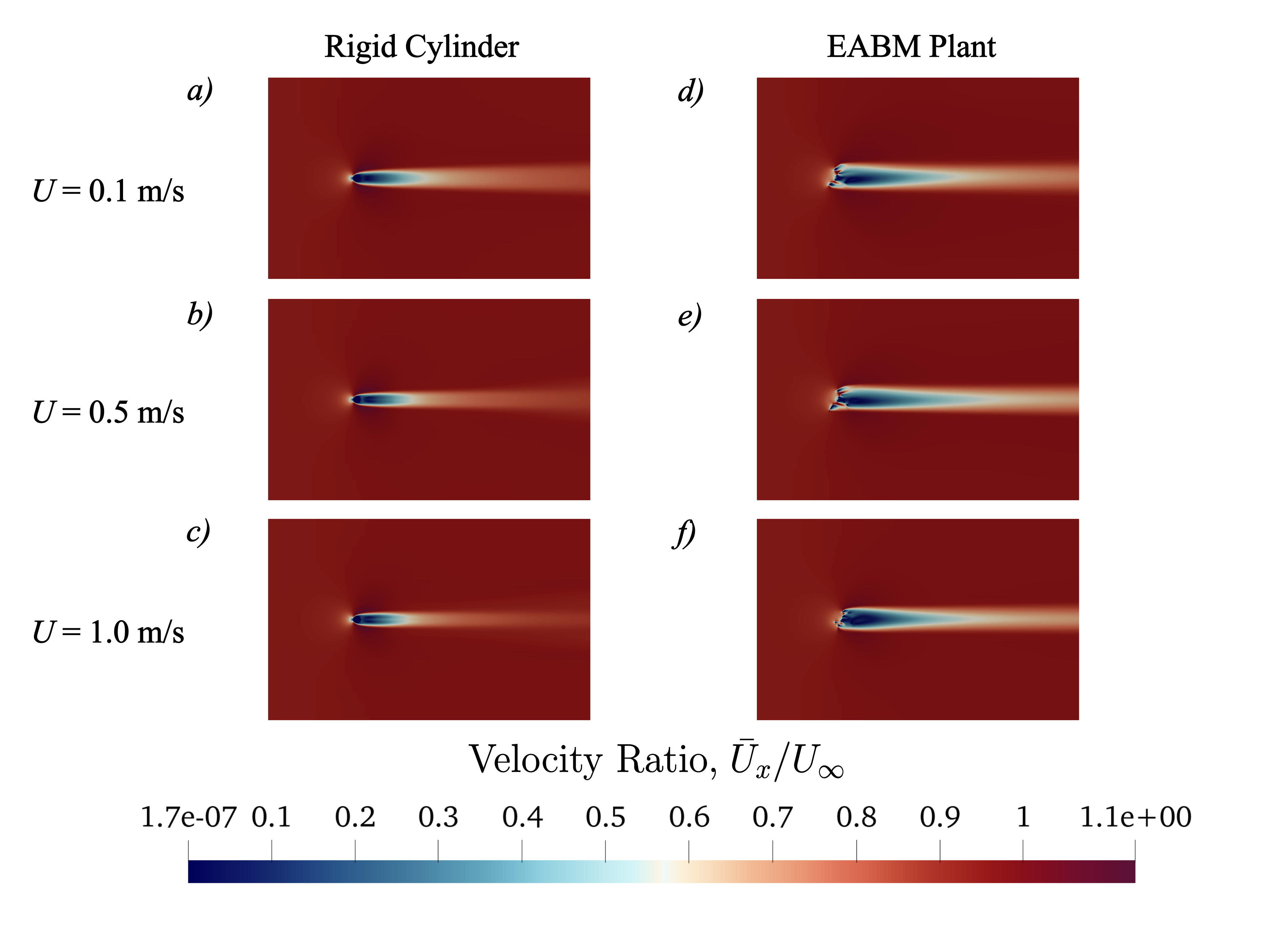
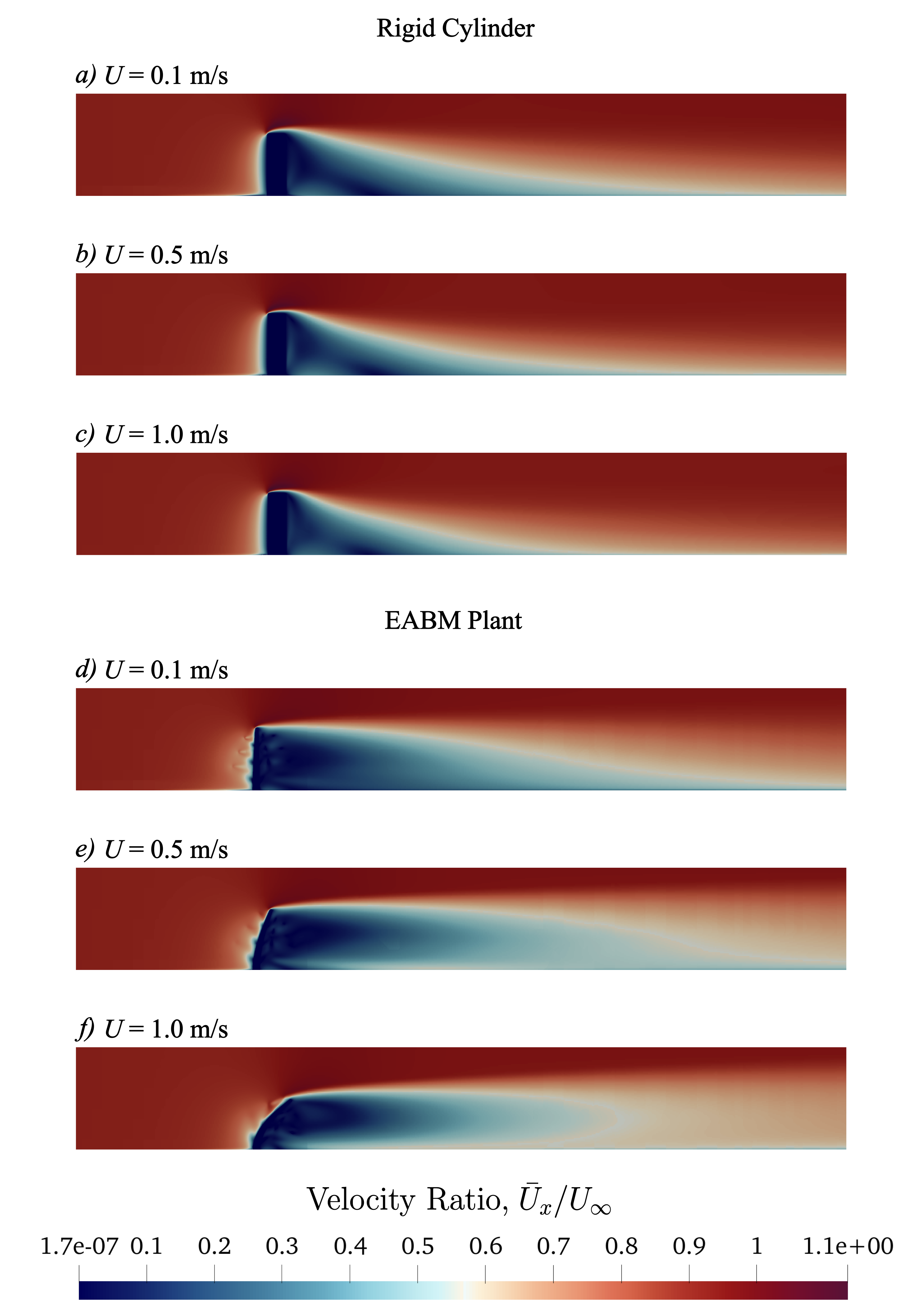
I wrote custom Python scripts to track convergence live across all simulation runs. From the converged fields, I extract drag force and mean velocity data to compute the canopy shielding parameter, comparing the CFD-resolved distribution against the Julia EABM's uniform segment-force assumption, which neglects inter-element shielding. A rigid cylinder run validates the fluid solver against known drag coefficients.
CVC103 Module - Hollowford Centre
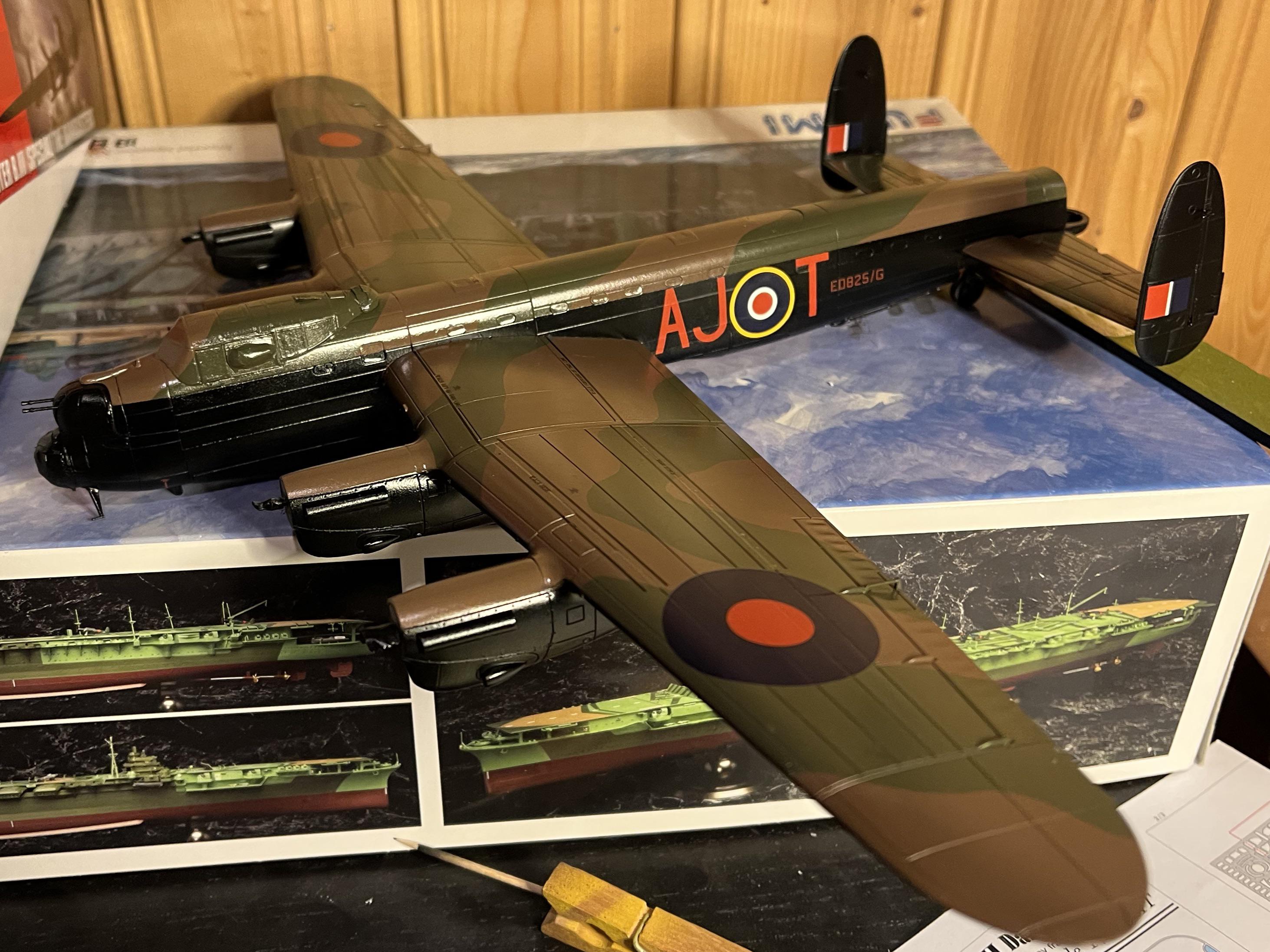
Selected as one of the three project leads for a 21-person interdisciplinary team during an intensive residential simulation. The brief required operating as a whole commercial entity, finishing physical tasks that each generate revenue to fund the procurement and construction of a complex 1:72 Lancaster Bomber model. My role involved merging three sub-teams into a cohesive unit and managing the critical path under strict resource and time constraints.
Assisted the immediate merger of 3 distinct student groups into a single workforce. We established a hierarchy, assigned specialised roles and conducted a rapid resource audit to determine the optimal earn vs. build ratio required to fund the project.
Managed the major workflow during three "Action Phases", balancing the deployment of labour for revenue against the technical requirements of the build. Addressed minor conflicts and supply chain bottlenecks and ensured resolution of all.
Oversaw and participated in the final assembly and quality checks to ensure the model met the rigorous specifications. Coordinated the final handover presentation, justifying our process and financial expenditure to the assessment board.
To deliver a fully assembled technical model within a fixed budget and 36-hour timeframe, simulating a high-pressure commercial engineering contract.
A multidisciplinary team of 21, structured into functional sub-teams overseen by a central leadership triad.
A strict 36-hour critical path split into action Phases. Workflows were dynamically adjusted based on real-time progress, fatigue levels, and resource availability.
Presented three client expectation updates after each Action Phase, allowing stakeholder management and reports on the financial situation. Delivered the completed Lancaster Bomber model, meeting client acceptance criteria for product quality.
Successfully led a 21-person group through a high-pressure simulation without major conflict, receiving positive feedback on team culture and morale.
Delivered four client presentations, effectively managing expectations and voicing complex resource allocation strategies to the training team.
Achieved completion of the technical deliverable within the 1.5 day deadline, passing both the process and product quality assessments.
Feel free to reach out to discuss these projects or explore potential collaborations.
Get In Touch